
In just 48 hours, one woman’s decision has sparked nationwide fury across Facebook, X (Twitter), Instagram, and beyond. Opeyemi Faridat Awodoyin, an OPay customer, is at the center of a massive viral scandal after allegedly refusing to return N100,000 mistakenly transferred to her account due to a simple one-digit error.
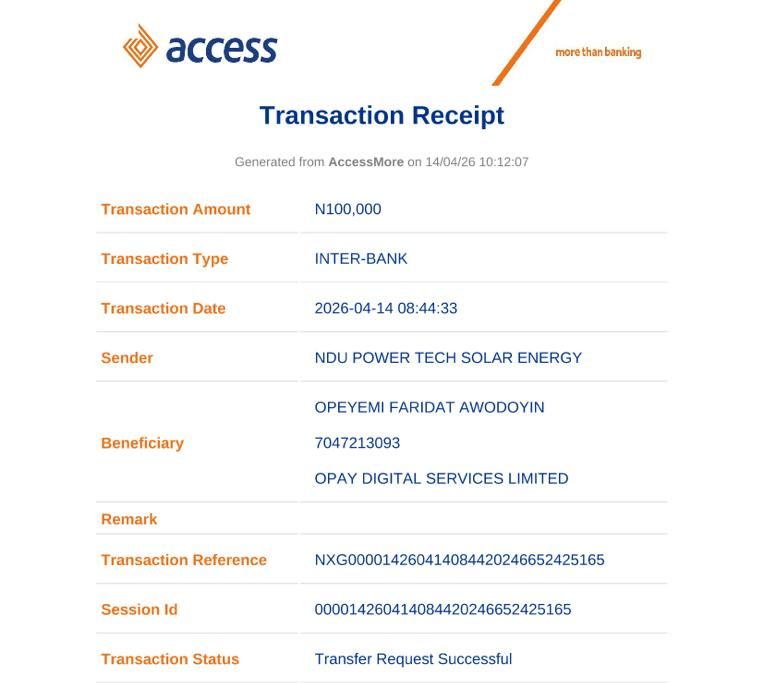
The sender’s desperate pleas were met with a blunt message — and then a block. Now, her Facebook page has been flooded with over 5,000 comments from outraged Nigerians calling her out, labeling her a “young thief,” and warning of karma.
This isn’t just another mistaken transfer story. It’s a lightning rod for bigger conversations about honesty, fintech accountability, and the high cost of errors in Nigeria’s digital banking world.
In this SEO-optimized deep-dive blog post, we break down everything: the exact timeline, her response, the public siege, OPay’s official policy, legal steps to recover funds, similar cases, and expert analysis. Whether you’re searching for “Opeyemi Awodoyin OPay refund” or want to understand your rights in erroneous transfers, this is the most comprehensive guide available.
What Exactly Happened? Timeline of the Opeyemi Awodoyin OPay N100,000 Scandal
The incident unfolded rapidly around April 15, 2026:
- The Mistaken Transfer: Ani Gerald Chukwuebuka, a Lagos-based solar system installer and sales specialist, had a friend repaying a loan. Due to one-digit difference in the OPay account number, the N100,000 landed in Opeyemi Faridat Awodoyin’s account instead.
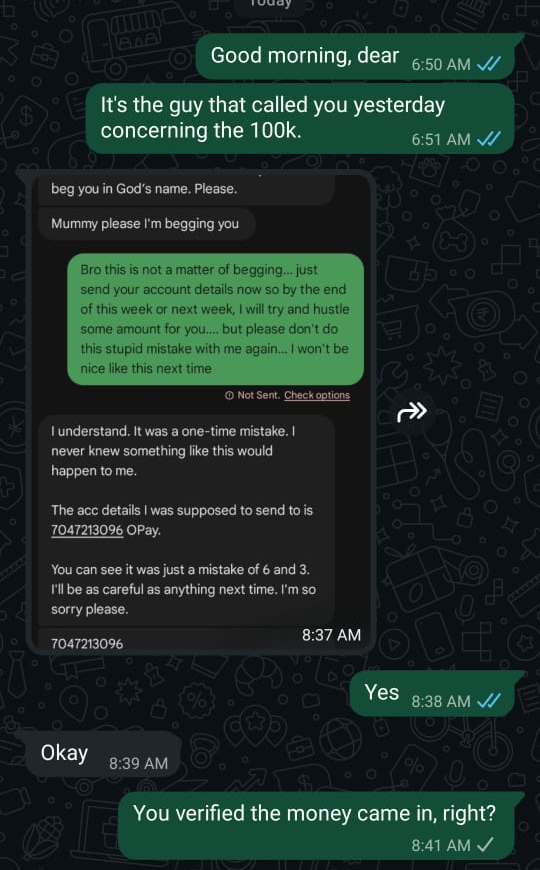
- Immediate Discovery: Chukwuebuka contacted Awodoyin right away via WhatsApp or call, explaining the error and begging for a refund.
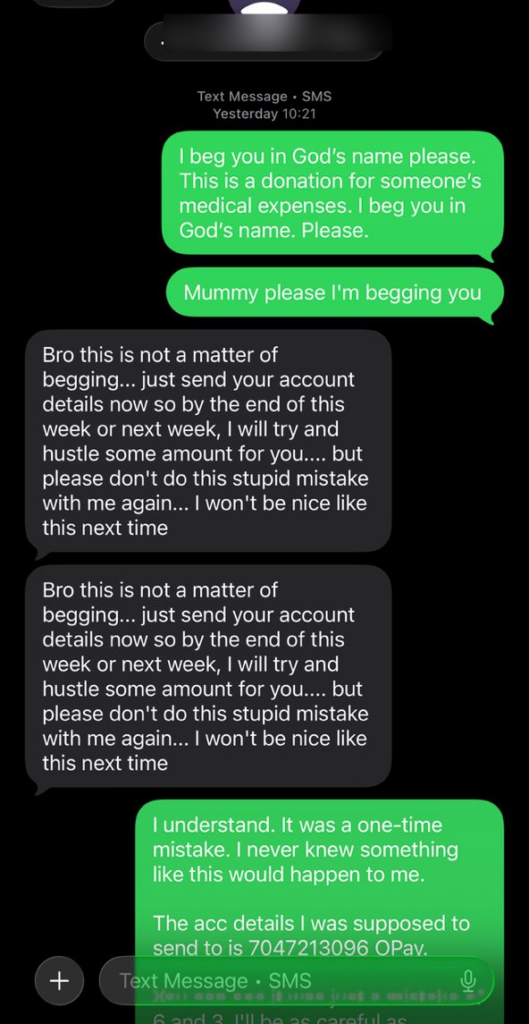
- Her Initial Response: Before blocking him, Awodoyin admitted receiving the money. Her exact message (widely shared in screenshots):
“Please don’t do this stupid mistake with me again. I won’t be nice like this next time.”
Read Also: 5 EASIEST Ways to Make Money With AI (No One Is Doing This) – AI Discoveries
- Escalation: She imposed conditions for any refund, failed to return the funds, and blocked the sender completely. Communication was cut off.
- FIJ Investigation: Foundation for Investigative Journalism (FIJ) published the story on April 16, 2026. When FIJ tried contacting Awodoyin, she did not respond.
- Viral Explosion (April 16-17, 2026): The story spread like wildfire. Her Facebook page saw over 5,000 comments across just four posts, with Nigerians “laying siege” in outrage.
As of April 17, 2026 (today), there are no confirmed updates on whether she has refunded the money or responded publicly.
Who Is Opeyemi Faridat Awodoyin?
Opeyemi Faridat Awodoyin (sometimes spelled Owodoyin in posts) is an OPay customer whose personal Facebook page became the epicenter of the backlash. Netizens have described her as a “baddie” or “fine girl,” making the contrast with the accusations even sharper. Public comments frequently highlight her appearance while slamming her alleged actions: “A fine girl like you, look at how you are disgracing yourself because of N100,000.”
Her profile has been shared widely with warnings, turning her into an unwilling internet celebrity for all the wrong reasons.
The Public Backlash: 5,000+ Facebook Comments & “Siege” on Her Page
Nigerians did not hold back. FIJ reported that Awodoyin’s page was inundated with comments calling for accountability. Common themes:
- Accusations of theft and heartlessness.
- Warnings of divine karma and ruined future.
- Threats to “post her everywhere” so others avoid her.
- References to jail time for withholding funds.
Real comment examples (paraphrased from reports):
- “As young as you are, look at your life in public, young thief. We must post you everywhere so the world can avoid your kind.” — Keren Effiong
- “You are very heartless… Evil will find you quickly… The evil you did today will return to you a hundredfold.” — Constance Anthony
- “Thunder fire you, you thief. Return it, or you and peace will part ways.” — Michael Mibue
- “This lady has finally gone viral, but for the wrong reason.” — Macaulay Francis
X (Twitter) echoed the sentiment with posts sharing screenshots and calling her a “beautiful thief.” The story has dominated fintech and Naija drama discussions.
OPay’s Official Policy on Erroneous Transfers – What Should Have Happened?
OPay (like other Nigerian fintechs) follows Central Bank of Nigeria (CBN) guidelines on erroneous electronic transfers:
- Report immediately via the app (Transaction History → Dispute → Erroneous Transfer) or customer care.
- OPay contacts the recipient’s bank to restrict the funds while reaching out to the receiver.
- If the recipient agrees → Quick refund.
- If they refuse → Legal steps required (court order to place lien and reverse).
OPay has public videos and posts explaining this exact process. Direct contact with the recipient (as Chukwuebuka did) is common but risky if they block you. Banks/fintechs often require a police report or court order for non-cooperative cases — which can cost more than N100k in legal fees.
Key takeaway: Reporting to OPay fast is critical. Delays reduce success chances.
Legal Options to Recover Mistaken Funds in Nigeria (2026 Guide)
Under CBN Electronic Funds Transfer Regulations:
- Banks must assist but can’t force reversal without consent or court order.
- Steps: Notify sending bank → Amicable resolution → Police report → File motion in court for “no-debit” order and reversal.
- For small amounts like N100k, many victims say court costs make it impractical — exactly why public shaming often works better.
Read Also: HOW TO PULL 100 LEADS IN 2 MINUTES USING CLAUDE AI (STEP-BY-STEP GUIDE 2026) – AI Discoveries
Similar recent cases (e.g., PalmPay and other OPay disputes) show fintechs sometimes drag their feet until media pressure or court intervention.
Similar Erroneous Transfer Stories in Nigeria
This isn’t isolated:
- Honorable cases: A man refunded N2.2 million OPay transfer and rejected a N50k “thank you” gift.
- Bank holds: Multiple reports of OPay/PalmPay freezing funds pending resolution.
- Viral shaming: Public exposure often pressures recipients more than slow legal routes.
The Opeyemi Awodoyin case highlights how social media has become an unofficial enforcement tool in Nigeria’s trust-deficit fintech space.
Analysis: Ethics, Law, and the Bigger Picture
Legally, the money in her account isn’t automatically “hers” — it’s an erroneous credit. Morally, most Nigerians view keeping it as theft of someone’s sweat. Her response (“don’t do this stupid mistake… I won’t be nice next time”) struck many as arrogant and unempathetic.
This scandal exposes:
- Human error in digital transfers (one digit = N100k loss).
- The power (and danger) of viral public shaming.
- Gaps in fintech dispute resolution for everyday Nigerians.
As one X user put it: “Beautiful thief” — beauty doesn’t excuse bad character.
Latest Updates (As of April 17, 2026)
- No refund confirmed.
- No public statement from Awodoyin or OPay.
- Story continues trending with fresh shares daily.
- Chukwuebuka’s full narration available via FIJ reports.
We will update this post if developments occur — bookmark or share for the latest.
FAQ: Your Questions About the Opeyemi Awodoyin OPay Case Answered
Q: Did Opeyemi Awodoyin refund the N100,000?
A: Not as of April 17, 2026. She blocked the sender and has not responded publicly.
Q: What should you do if you send money to the wrong OPay account?
A: 1. Report in OPay app immediately. 2. Contact recipient politely. 3. Escalate to banks/police if needed.
Q: Is keeping mistaken money illegal?
A: Not automatically “theft” until a court rules, but CBN expects cooperation. Refusal often leads to court-mandated reversal.
Q: How to avoid mistaken transfers?
A: Double-check account name/number. Use OPay’s large transaction confirmation prompts.
Q: Has her Facebook page been taken down?
A: No — it’s active and flooded with comments.
Final Thoughts: What This Means for Nigerians
The Opeyemi Awodoyin OPay N100,000 refusal isn’t just drama — it’s a mirror to our society’s values around integrity in the digital age. While legal routes exist, public pressure is proving faster.
If you’re in a similar situation: Document everything, report to your fintech instantly, and consider media/police help early.
What do you think? Is social media shaming justified here, or should we let the law handle it? Drop your thoughts in the comments below. Share this post if you’ve ever lost money to a wrong transfer — or know someone who has.
Share | Comment | Subscribe for more Nigeria fintech exposés.
Sources: FIJ.ng investigations, OPay official communications, CBN guidelines, public social media reactions.





Leave a Reply