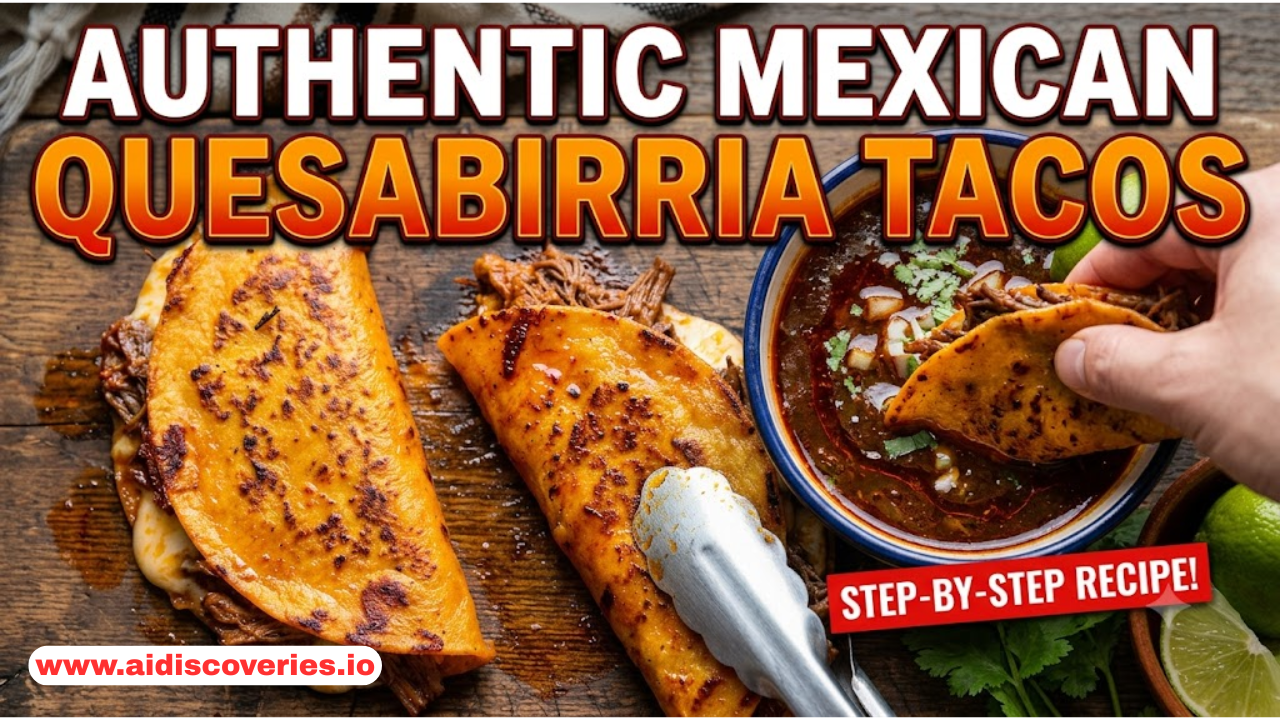
Few dishes have captured the global culinary imagination quite like Quesabirria Tacos. This spectacular cross between a deeply savory Mexican stew (birria) and a melted cheesy quesadilla (quesataco) is more than just a viral social media trend—it is a masterclass in traditional Mexican slow-cooking techniques.
Read Also: How to Get High Paying AI Remote Jobs on Mercor: A Step-by-Step Guide (2026)

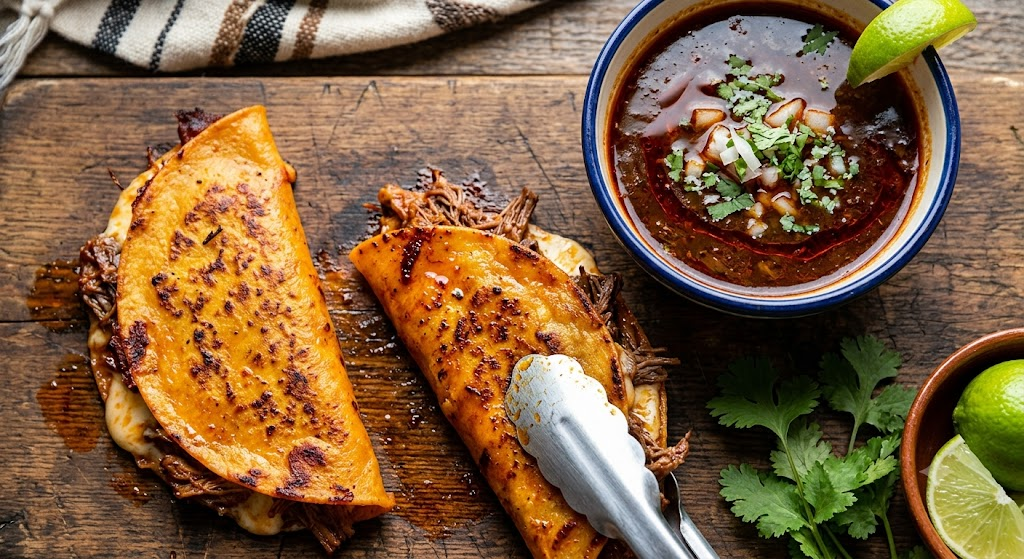
When you bite into a perfect quesabirria taco, you experience an incredible contrast of textures and flavors: a shatteringly crisp, chili-stained corn tortilla, rich and stringy melted cheese, ultra-tender shredded beef, and a deeply aromatic, savory dipping broth known as consommé.
Whether you are looking to recreate the magic of your favorite street food truck or seeking to master the historical art of traditional Mexican adobos, this comprehensive guide covers the science, history, and step-by-step methodology needed to make world-class authentic Quesabirria tacos at home.
The History and Evolution of Birria and Quesabirria
To truly appreciate the flavors of quesabirria, it helps to understand its journey from rural western Mexico to global street-food stardom.
The Origins of Birria in Jalisco
Traditional birria originated in the state of Jalisco, Mexico, particularly around the town of Cocula. Historically, birria was made using goat meat (chivo) or mutton (borrego).
During the Spanish Conquest, the conquistadors introduced goats to the region. The animals reproduced rapidly, overgrazing local fields. Because older goat meat can be tough and intensely gamey, locals utilized long, slow-braising methods paired with a heavily spiced, highly acidic chili marinade (adobo) to tenderize the meat and mask its pungent odor. The word birria itself translates colloquially to “worthless” or “mess,” a self-deprecating nod to the tough cuts of meat originally used.
Read Also: The Ultimate Global Comfort Food Guide: 50 Authentic Recipes You Must Try at Home
The Tijuana Transformation: Moving to Beef
As the dish migrated northwest to the bustling border city of Tijuana mid-20th century, taqueros adapted the recipe to local tastes and ingredient availability. Since goat was less accessible and more expensive in the north, they swapped it for beef—giving rise to Birria de Res.
Tijuana taqueros also altered how the dish was served. Instead of a purely plated stew eaten with a spoon, they began shredding the tender beef, stuffing it into corn tortillas, and serving it as street tacos, using the top layer of rendered chili fat from the pot to fry the tortillas on a flat-top griddle (comal).
The Birth of Quesabirria and Social Media Fame
The addition of cheese to create the modern quesabirria occurred in Tijuana around 2009, with taco stands like Tacos Aaron pioneering the combo. By 2016, migrant taqueros brought this cheesy variant north to Los Angeles and the San Francisco Bay Area.
The interactive nature of the dish—pulling apart a crispy, cheese-stretching taco and plunging it deep into a cup of rich, glistening crimson broth—made it a massive viral sensation on Instagram and TikTok, transforming a regional Mexican specialty into a global culinary phenomenon.
Anatomy of the Perfect Quesabirria Taco
An exceptional quesabirria taco relies on the flawless execution of four foundational elements:
- The Meat (Birria de Res): A mix of beef cuts featuring rich marbling, gelatin-dense connective tissue, and marrow bones. It must be slow-cooked until it completely yields, shredding into juicy, fine threads.
- The Adobo Base: A blended, strained paste made from rehydrated dried Mexican chiles (Guajillo, Ancho, and Arbol), charred aromatics (garlic and onions), and warm spices (cinnamon, cloves, cumin, and Mexican oregano).
- The Consommé: The strained, hyper-flavorful braising broth left behind in the pot. It naturally separates into two layers: a deep red, seasoned beef fat floating on top (used to coat the tortillas), and a savory, clean liquid underneath (used for dipping).
- The Cheese (Queso): Authentic recipes call for Queso Oaxaca (a traditional Mexican stretched-curd string cheese) or Queso Asadero. It must melt completely, providing a gooey, elastic pull without leaking excessive water onto the griddle.
Sourcing the Right Ingredients
Achieving authentic flavor requires utilizing specific chiles and herbs. Subbing standard American chili powder or grocery-store generic spices will drastically change the profile of the dish.
The Holy Trinity of Dried Chiles
- Guajillo Chiles: The workhorse of the recipe. They provide a bright, tangy, slightly sweet, and smoky flavor profile with a vibrant red hue. They are relatively mild.
- Ancho Chiles: Dried poblano peppers that bring a deep, rich, raisin-like sweetness and earthy undertones. They help thicken the adobo paste.
- Chiles de Árbol: Small, potent chiles that provide the necessary heat. You can adjust the quantity of these chiles to easily control the spice level of your final broth without losing the underlying complexity of the milder peppers.
Authentic Herbs and Spices
- Mexican Oregano: Unlike Mediterranean oregano, which belongs to the mint family, Mexican oregano belongs to the lemon verbena family. It offers a distinct, robust flavor with citrusy, licorice notes.
- Mexican Cinnamon (Canela): Softer and more subtle than Cassia cinnamon, true Ceylon cinnamon adds a delicate, warm, woody undertone that perfectly counters the heavy fat of the beef.
- Whole Cloves and Allspice: These pungent spices add an earthy depth that mimics the complex spice profiles found in traditional mole.
The Master Recipe: Authentic Beef Quesabirria & Consommé
- Prep Time: 45 minutes
- Cook Time: 3.5 to 4 hours (Stovetop/Dutch Oven)
- Yields: 20–24 Tacos
Ingredients
For the Beef Braise:
- 3 lbs (1.35 kg) Beef Chuck Roast: Cut into large 4-inch chunks (provides excellent meat yield and marbling).
- 2 lbs (0.9 kg) Beef Short Ribs or Beef Shanks: Bone-in (crucial for adding gelatin, deep flavor, and richness to the consommé).
- 1 large White Onion: Halved.
- 1 head of Garlic: Cut crosswise to expose the cloves.
- 4-5 Dried Bay Leaves
- 2 Tbsp Apple Cider Vinegar: The acidity balances the rendered fats and helps tenderize the beef fibers.
- 1 Tbsp Coarse Kosher Salt (plus more to taste).
For the Chili Adobo Paste:
- 6 Dried Guajillo Chiles: Stemmed and deseeded.
- 3 Dried Ancho Chiles: Stemmed and deseeded.
- 3–6 Dried Chiles de Árbol: Stemmed (adjust based on heat preference).
- 3 whole Roma Tomatoes: Halved.
- 5 Cloves of Garlic: Peeled.
- 1 tsp Cumin Seeds (or 1/2 tsp ground cumin).
- 1 tsp Black Peppercorns (or 1/2 tsp ground black pepper).
- 1 tsp Dried Mexican Oregano
- 1/2 tsp Dried Thyme
- 1/4 tsp Ground Allspice
- 2 Whole Cloves (or 1/8 tsp ground cloves).
- 1 small stick of Mexican Canela (Cinnamon), about 1 inch long.
For Taco Assembly and Garnishes:
- 24 High-Quality Corn Tortillas: Preferably yellow corn, 6-inch size.
- 1 lb (450g) Queso Oaxaca: Shredded or hand-pulled into thin strings (substitute with Monterey Jack or Mozzarella if unavailable).
- 1 large White Onion: Finely diced.
- 1 large bunch of Fresh Cilantro: Finely chopped.
- 3-4 Fresh Limes: Cut into wedges.
- Radish slices (for serving).
Step-by-Step Cooking Instructions
Step 1: Sear the Beef
The Science of Flavor: Do not skip the browning process. Searing the beef initiates the Maillard reaction, a chemical reaction between amino acids and reducing sugars that creates hundreds of new flavor compounds, adding profound depth and savoriness to the resulting consommé.
- Pat all the beef pieces completely dry with paper towels. Season generously on all sides with coarse kosher salt.
- Heat a large, heavy-bottomed Dutch oven or stockpot over medium-high heat. Add a thin layer of neutral high-smoke-point oil (or beef tallow).
- Working in batches to avoid crowding the pan, sear the beef chunks until a deep, caramelized brown crust forms on all sides (about 3–4 minutes per side).
- Remove the seared meat to a side platter, keeping all the rendered fat and browned bits (fond) at the bottom of the pot.
Step 2: Prepare the Chili Adobo Base
[Deseed Chiles] ──> [Simmer with Tomatoes] ──> [Toast Spices] ──> [Blend into Smooth Paste]
- Heat a dry skillet over medium heat. Lightly toast the deseeded Guajillo, Ancho, and Árbol chiles for 1–2 minutes until fragrant. Do not burn them, or they will turn bitter.
- In a medium saucepan, bring 4 cups of water to a gentle boil. Add the toasted chiles, halved Roma tomatoes, 5 peeled garlic cloves, and the halved white onion. Simmer for 12–15 minutes until the chiles are completely soft, pliable, and rehydrated.
- Drain the ingredients, making sure to reserve 2 cups of the nutrient-rich chili soaking water.
- In a small skillet over low heat, toast your whole cumin seeds, peppercorns, cloves, and cinnamon stick for 60 seconds until highly aromatic.
- Transfer the softened chiles, tomatoes, onions, garlic, toasted whole spices, Mexican oregano, thyme, allspice, and apple cider vinegar into a high-powered blender. Add 1 cup of the reserved soaking water.
- Blend on high for 2–3 minutes until an ultra-smooth, thick, crimson paste forms. If the paste is too thick to blend smoothly, add a little more soaking water.
Step 3: Combine and Slow-Braise
- Pour the blended chili adobo paste directly into the large Dutch oven containing the rendered beef fat over medium heat. Cook the paste for 2–3 minutes, stirring constantly, to fry the adobo and wake up the fat-soluble spice compounds.
- Carefully arrange the seared meat, along with any accumulated juices from the platter, back into the pot.
- Add enough water (or low-sodium beef stock) to completely submerge the meat by about 1 inch (typically around 6–8 cups of liquid).
- Drop in the head of garlic, the halved onion, and the bay leaves. Stir gently to integrate the adobo paste.
- Bring the liquid to a boil, then immediately lower the heat to a gentle simmer. Cover the pot tightly with a lid (or wrap foil under the lid to form a tight seal).
- Simmer on the stovetop for 3 to 3.5 hours. Check occasionally to ensure it is maintaining a very low, bubbling simmer. The birria is finished when the beef is completely pull-apart tender and slides clean off the short rib bones.
Read Also: The Zero-Waste Kitchen: Using AI to Slash Your Grocery Bill by 40%
Step 4: Shred the Beef and Separate the Consommé
- Carefully lift the tender beef out of the hot broth and place it into a large bowl. Discard the short rib bones, cartilage, bay leaves, and the spent garlic/onion pieces.
- Using two forks, shred the beef into fine, bite-sized threads. Toss the shredded meat with a ladleful of the hot broth to keep it moist and flavor-infused. Cover the bowl with foil.
- Let the remaining broth settle in the pot for 10 minutes. You will see a distinct, vibrant red layer of rendered beef fat rise cleanly to the top.
- Using a wide spoon or a fat-separator cup, skim off this red chili fat into a shallow bowl or ramekin. Save every drop; this fat is the secret to crisping and flavoring the taco shell.
- Pass the remaining liquid through a fine-mesh sieve into a clean pot to remove any leftover spice sediment. Taste this clean, concentrated consommé and adjust with more salt if necessary. Keep it hot on low heat.
The Art of Assembling Quesabirria Tacos
With your shredded beef, skimmed chili fat, shredded cheese, and hot consommé organized at your workstation, it is time to build the tacos.
1.Heat the Comal or Skillet:Preheat to Medium.
Place a cast-iron griddle, comal, or large non-stick skillet over medium heat. Ensure it is fully heated before proceeding so the tortilla crisps rather than absorbing grease and getting soggy.
2.Dip the Tortilla:Quick Submersion.
Take a fresh corn tortilla and submerge it completely into the bowl of skimmed red beef fat for a split second. Ensure both sides are coated in the aromatic oil. Immediately lay the glistening tortilla flat onto the hot griddle. It should sizzle instantly.
3.Layer the Cheese and Beef:Build on One Half.
Sprinkle a generous handful of shredded Queso Oaxaca evenly across the entire surface of the tortilla. Once it begins to melt (about 30 seconds), add a generous portion of the juicy shredded beef to one half of the tortilla.
4.Add Aromatics and Fold:The Flip.
Sprinkle a pinch of finely diced white onion and fresh cilantro directly over the hot beef. Using a thin spatula, carefully fold the empty cheese-covered side of the tortilla over the beef filling, creating a half-moon taco shape.
5.Crisp to Perfection:2-3 Minutes per Side.
Press down gently on the taco with your spatula to compress the fillings and distribute the heat. Cook for 90 seconds to 2 minutes until the underside is deep gold, crispy, and mottled with dark red spots. Flip carefully and crisp the second side. The cheese should ooze slightly from the edges and form a crisp lace (costra) on the griddle.
Alternative Cooking Methods
While the traditional stovetop Dutch oven method yields unparalleled depth of flavor, alternative appliances can save time or offer hands-off convenience.
1. Instant Pot / Pressure Cooker Method
- Why choose this: Reduces total cooking time by over 60%.
- Method: Set the Instant Pot to
Sautémode to sear the meat and fry the adobo paste as instructed above. Add the shredded chiles/adobo and pour in enough beef stock to meet the minimum liquid requirements without exceeding the max-fill line (about 4 cups). Lock the lid, set toManual High Pressurefor 50 minutes, and allow a full natural pressure release (about 20 minutes). Proceed with shredding and skimming fat.
2. Slow Cooker / Crockpot Method
- Why choose this: Perfect for a set-it-and-forget-it meal.
- Method: Sear the beef in a separate skillet first to build the necessary flavor profile. Transfer the seared beef to the slow cooker crock. Prepare the adobo paste in a blender, pour it over the meat, and add enough stock to cover the beef halfway. Cover and cook on Low for 8 to 10 hours (or High for 5 to 6 hours) until the meat easily detaches from the bone.
Read Also: Claude vs ChatGPT: Which Is Better for Content Creation? (2026 Deep Dive)
Nutritional Breakdown
Approximate values per serving (based on 3 standard assembled Quesabirria tacos with 1/2 cup of dipping consommé):
| Nutrient | Amount Per Serving | Daily Value (% DV) |
| Calories | 680 kcal | 34% |
| Protein | 42 g | 84% |
| Total Fat | 36 g | 46% |
| Saturated Fat | 16 g | 80% |
| Carbohydrates | 46 g | 17% |
| Dietary Fiber | 6 g | 21% |
| Sodium | 1150 mg | 50% |
Pro-Tips for Culinary Success
- Avoid Soggy Tacos: Dip your tortillas quickly. If you soak the corn tortilla for too long in the fat or broth, the moisture will break down the corn structure, causing the taco to split apart and tear on the griddle.
- The Corn vs. Flour Debate: Always choose high-quality corn tortillas. Flour tortillas absorb fat like a sponge, leading to a greasy, heavy texture that fails to achieve the light, shatteringly crisp exterior unique to traditional corn shells.
- Maintain Consommé Clarity: If your dipping broth feels gritty, pass it through a layer of cheesecloth or an ultra-fine mesh strainer twice. This produces a silky, elegant mouthfeel that lets the beef and chili flavors shine cleanly.
- Leftover Magic: Leftover birria meat and consommé freeze exceptionally well for up to 3 months. Alternatively, use leftovers to make viral trend variants like Birria Ramen (substituting standard broth with hot consommé) or Birria Fries.
Frequently Asked Questions
What can I substitute for Queso Oaxaca?
If you cannot find authentic Queso Oaxaca at a local Mexican market, the closest substitute is a high-quality, low-moisture whole-milk Mozzarella mixed with a touch of Monterey Jack. Mozzarella perfectly mimics the elastic string-cheese texture, while Monterey Jack provides a mild, buttery flavor profile.
Is Birria spicy?
Despite utilizing a large volume of dried Mexican chiles, authentic Birria de Res is naturally mild-to-medium in heat. Guajillo and Ancho chiles are prized for their smoky flavor, sweetness, and deep red coloring, not their heat. The spice level is driven almost entirely by the Chiles de Árbol. Omit or reduce those specific small chiles if you prefer a completely mild dish.
How do you serve and eat Quesabirria?
Ladle the piping-hot, strained consommé into small, deep bowls or ramekins, garnishing the surface with fresh cilantro and diced raw onions. Arrange the hot, crispy tacos on a platter with lime wedges. To eat, squeeze fresh lime juice inside the taco, submerge the front tip of the taco directly into the warm consommé for 1–2 seconds, and take a bite. Sip the remaining broth between tacos or enjoy it as a soup at the end.





Leave a Reply