
What Makes a Side Hustle Worth Starting?
Before choosing a side hustle, understand what separates a legitimate income opportunity from an internet trend.
A good side hustle should have five characteristics:
- Real demand: People or businesses already spend money to solve the problem.
- Low entry barriers: You can start without investing a fortune.
- Flexible working hours: You can manage it alongside your primary responsibilities.
- Room for growth: You can increase your earnings as your experience and customer base grow.
- A clear way to get paid: You understand who your customers are, what they will pay for, and how you will receive payment.
According to Upwork’s 2026 guide to side hustles, opportunities such as freelance writing, web development, virtual assistance, AI content services, and online teaching offer practical ways to monetize existing skills. https://www.upwork.com/resources/side-hustle-ideas
With that in mind, here are 10 opportunities worth considering.
1. Freelancing: Sell Your Skills to Businesses Around the World
Freelancing is one of the most practical side hustles because you can start by selling skills you already possess.
Businesses, startups, entrepreneurs, and individuals regularly need people to complete specific tasks. Instead of hiring full-time employees, many outsource these responsibilities to independent professionals.
You can work with clients locally or internationally without leaving your home.
Some freelance services you can offer include:
- Content writing and blog writing.
- Graphic design and branding.
- Website development.
- Video editing.
- SEO optimization.
- Copywriting.
- Data analysis.
- Presentation design.
- Email marketing.
- Translation and transcription.
For example, imagine you understand WordPress.
You could offer website design services to small businesses that want to establish an online presence. A client might pay you to build a business website, improve an existing website, or fix technical problems.
You can charge per project, per hour, or through monthly retainers.
Where to find clients:
- https://www.upwork.com/
- https://www.fiverr.com/
- https://www.peopleperhour.com/
- https://www.linkedin.com/
How to get started:
- Identify one skill you can confidently deliver.
- Create three sample projects demonstrating your ability.
- Build a simple portfolio.
- Create profiles on relevant freelance platforms.
- Contact potential clients directly on LinkedIn.
- Start with manageable projects and collect testimonials.
Startup cost: Low. You can begin with a laptop, internet connection, and the necessary skills.
Income potential: Depends on your expertise, pricing, client location, and ability to secure recurring projects.
My recommendation: Do not advertise yourself as someone who can do everything. Become known for solving one particular problem.
For example, instead of saying you are a freelance writer, position yourself as a B2B SaaS blog writer who helps technology companies attract organic traffic.
That positioning makes it easier for potential clients to understand your value.
2. Virtual Assistant Services: Help Busy Professionals Manage Their Work
Virtual assistance is another side hustle with opportunities for people who are organized, reliable, and comfortable using digital tools.
A virtual assistant provides administrative and operational support to business owners, executives, entrepreneurs, and remote teams.
Many professionals have more work than they can comfortably handle. They need someone to manage routine responsibilities so they can concentrate on important business activities.
That is where you come in.
As a virtual assistant, you can provide services such as:
- Managing emails and calendars.
- Scheduling meetings.
- Internet research.
- Preparing reports.
- Managing spreadsheets.
- Customer support.
- Organizing documents.
- Booking appointments.
- Managing travel arrangements.
- Updating CRM systems.
You do not necessarily need an advanced technical qualification to get started.
However, you need excellent communication, organization, attention to detail, and time-management skills.
Tools to learn:
- Google Workspace.
- Microsoft Office.
- Notion.
- Trello.
- Slack.
- Zoom.
- Calendly.
- ChatGPT.
Where to find clients:
- https://www.upwork.com/
- https://www.fiverr.com/
- https://www.linkedin.com/
- https://www.onlinejobs.ph/
How to get started:
Choose a specific type of client. You could support coaches, consultants, real estate professionals, startup founders, or executives.
Create a portfolio showing how you would organize an inbox, prepare a meeting schedule, manage a spreadsheet, and handle administrative tasks.
Then approach potential clients with a clear explanation of how you can save them time.
Startup cost: Low.
Income potential: Depends on the number of clients, responsibilities, working hours, and experience.
One advantage of this business is the possibility of securing monthly contracts rather than constantly searching for one-off jobs.
3. Social Media Management: Help Businesses Grow Their Online Presence
Almost every business wants more visibility online.
However, many business owners do not have the time, knowledge, or resources to consistently manage their social media accounts.
This creates an opportunity.
You can become a social media manager and help businesses maintain an active online presence.
Your responsibilities could include:
- Creating social media content.
- Designing graphics.
- Writing captions.
- Scheduling posts.
- Responding to comments and messages.
- Monitoring engagement.
- Researching content ideas.
- Preparing monthly performance reports.
You can specialize in platforms such as Instagram, Facebook, LinkedIn, TikTok, or X.
For example, you could approach a Nigerian real estate company that has an Instagram account but rarely publishes useful content.
Offer to create a 30-day content plan, design branded graphics, schedule posts, and prepare performance reports.
You could charge a monthly management fee based on the work involved.
Tools to use:
- Canva.
- Meta Business Suite.
- Buffer.
- Metricool.
- ChatGPT.
- CapCut.
How to get started:
- Choose a business niche.
- Study how successful businesses in that niche communicate online.
- Create sample posts for three potential clients.
- Build a simple portfolio.
- Contact business owners with specific recommendations.
Startup cost: Low.
Income potential: Can grow through monthly client retainers and additional services such as advertising, content production, and strategy.
An important tip: Businesses are more interested in results than the number of posts you publish. Learn how to connect social media activity to enquiries, leads, sales, and customer retention.
4. AI-Powered Services: Help Businesses Use Artificial Intelligence
This is one of the opportunities worth paying attention to in 2026.
Artificial intelligence has changed how businesses approach content creation, research, customer support, marketing, and administration.
However, owning an AI tool does not automatically mean knowing how to use it effectively.
Many business owners have access to ChatGPT, Claude, Gemini, and other AI platforms but struggle to turn them into practical business solutions.
You can earn money by helping them.
Some AI-powered services you can offer include:
AI content creation: Help businesses create blog articles, newsletters, product descriptions, and social media content.
AI automation: Build workflows that automate repetitive business tasks, such as lead collection, email notifications, and customer follow-ups.
AI chatbot setup: Help businesses deploy chatbots that answer frequently asked questions and direct customers to relevant services.
AI research services: Use AI tools to research competitors, analyze information, and prepare business reports.
AI training: Teach professionals and business owners how to use AI tools to improve productivity.
You do not need to build an AI model from scratch. You need to understand existing tools and know how to apply them to real problems.
Tools to learn:
- ChatGPT.
- Claude.
- Google Gemini.
- Make.
- Zapier.
- n8n.
- Canva AI.
Where to find clients:
- LinkedIn.
- Upwork.
- Fiverr.
- Local business communities.
- Direct outreach to small businesses.
How to get started:
Choose one problem businesses experience repeatedly.
For example, you could build a simple automated system that captures customer enquiries from a form, stores the information in Google Sheets, and notifies the business owner.
Demonstrate the system with a short video.
Then approach businesses that could benefit from it.
Startup cost: Low to moderate, depending on the software and services you use.
Income potential: Depends on the complexity of the solution, the business value delivered, and your pricing.
The biggest opportunity is specialization. Instead of advertising yourself as an AI expert, become the person who helps real estate agencies automate customer enquiries or helps e-commerce businesses improve customer support.
5. Online Tutoring and Digital Skills Training
If you understand a subject or possess a skill that other people want to learn, you can turn that knowledge into income.
Online tutoring is no longer limited to traditional school subjects.
People are willing to pay to learn practical skills that can improve their education, careers, and businesses.
You could teach:
- Mathematics.
- English language.
- Science subjects.
- Programming.
- Graphic design.
- Digital marketing.
- Microsoft Excel.
- Artificial intelligence.
- Website development.
- Professional writing.
For example, someone who understands Excel could teach small business owners how to manage expenses, create financial reports, and organize business records.
A graphic designer could teach beginners how to create professional designs using Canva.
You can charge per lesson, per course, or per training programme.
Platforms to explore:
You can also attract students through LinkedIn, WhatsApp, Facebook, and your own website.
How to get started:
- Choose one subject or skill.
- Identify the type of student you want to teach.
- Create a structured learning outline.
- Record a short introductory lesson.
- Offer your first paid training session.
- Collect feedback and improve your lessons.
Startup cost: Low.
Income potential: Depends on your subject, reputation, pricing, and number of students.
You can eventually turn individual lessons into recorded courses, downloadable learning materials, and group training programmes.
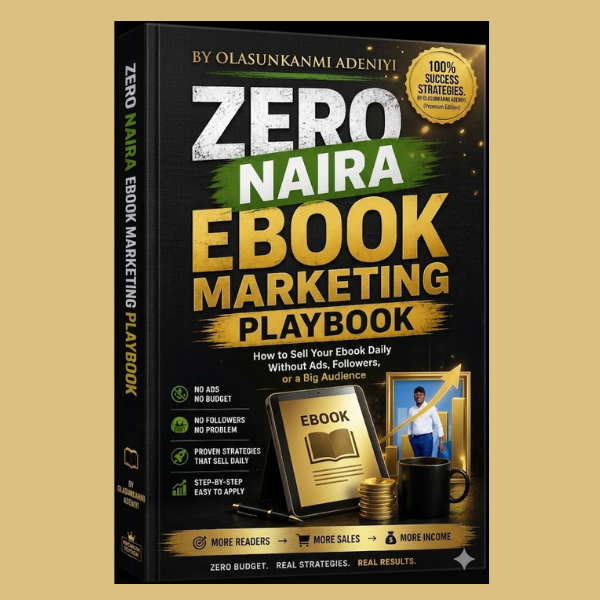
6. Sell Digital Products: Create Once and Sell Repeatedly
Imagine creating a useful product once and selling copies to different customers without manufacturing physical goods or managing inventory.
That is the opportunity behind digital products.
Digital products are downloadable or online resources that help people solve specific problems.
Examples include:
- E-books.
- Business templates.
- CV templates.
- Budget planners.
- Notion templates.
- Excel spreadsheets.
- Online courses.
- Digital marketing guides.
- AI prompt libraries.
- Social media content calendars.
- Business proposal templates.
For example, if you understand job applications, you could create a professional CV template alongside a guide explaining how to prepare an ATS-friendly CV.
You could sell it to job seekers through your website.
If you understand productivity, you could build a Notion template that helps freelancers manage clients, projects, and payments.
Where to sell digital products:
You can also sell directly through your website.
How to get started:
- Identify a problem people actively want to solve.
- Research what customers already purchase.
- Create a practical solution.
- Package it professionally.
- Set a reasonable price.
- Promote it through content, email marketing, and social media.
Startup cost: Low.
Income potential: Depends on product demand, pricing, distribution, and marketing.
Here is an important distinction: Creating a digital product does not guarantee sales.
You need an audience, a distribution strategy, or a way to reach potential customers.
Start with a small product that solves one specific problem. Validate demand before spending months creating a large course or digital product collection.
7. Affiliate Marketing: Earn Commissions by Recommending Products
Affiliate marketing allows you to earn money by promoting products or services created by other businesses.
When someone purchases through your unique affiliate link, you receive a commission according to the programme’s terms.
You do not need to manufacture products, manage inventory, or handle product delivery.
Your job is to connect the right customers with products that solve their problems.
For example, imagine you run a website about productivity and artificial intelligence.
You could publish tutorials explaining how to use AI writing tools, website builders, email marketing software, or productivity applications.
Where an affiliate programme exists, you can include your referral link.
If readers purchase through that link, you earn a commission.
You can promote:
- Software subscriptions.
- Website hosting services.
- Online courses.
- Productivity tools.
- Digital services.
- Physical products.
Affiliate platforms and programmes to explore:
- https://affiliate-program.amazon.com/
- https://impact.com/
- https://partnerstack.com/
- https://www.cj.com/
- Individual software companies’ affiliate programmes.
How to get started:
- Choose a niche you understand.
- Identify products that genuinely help your audience.
- Join relevant affiliate programmes.
- Create tutorials, comparisons, reviews, and practical guides.
- Include relevant affiliate links.
- Track clicks and conversions.
Startup cost: Low, although building a website and growing an audience may require investment.
Income potential: Depends on commission rates, conversion rates, audience size, and purchasing intent.
One strategy that works particularly well is creating comparison articles.
For example, instead of publishing an article titled “Best AI Tools,” publish “ChatGPT vs Claude: Which AI Tool Is Better for Small Business Owners?”
People searching for comparisons are often closer to making a purchasing decision.
Always disclose affiliate relationships clearly and avoid recommending products solely because they offer high commissions.
8. E-commerce and Product Reselling
You do not have to manufacture products to make money selling physical goods.
You can purchase products from manufacturers, wholesalers, or distributors and resell them to customers at a profit.
This is one of the more traditional side hustles, but online marketplaces and social commerce have made it easier to reach potential buyers.
Some product categories worth researching include:
- Fashion accessories.
- Beauty products.
- Home improvement items.
- Phone accessories.
- Kitchen equipment.
- Office supplies.
- Educational materials.
- Household essentials.
For example, you could identify a supplier selling phone accessories at wholesale prices.
You purchase a small quantity, photograph the products, create product listings, and promote them through WhatsApp, Instagram, Facebook Marketplace, or an online store.
Your profit comes from the difference between your selling price and your total costs.
Where to sell:
- https://www.jumia.com.ng/
- https://www.facebook.com/marketplace/
- https://www.instagram.com/
- https://www.shopify.com/
How to get started:
- Research products with consistent demand.
- Identify reliable suppliers.
- Compare wholesale and retail prices.
- Calculate delivery, packaging, payment, and marketing costs.
- Start with a small inventory.
- Reinvest profits into products that sell consistently.
Startup cost: Low to moderate, depending on the product and inventory model.
Income potential: Depends on sales volume, profit margins, product quality, and operating costs.
My advice is to avoid buying large quantities of products before testing demand.
Start small. Sell a few products, understand what customers want, and expand based on actual sales.
9. Content Creation: Build an Audience and Monetize It
Content creation has become a legitimate business opportunity.
You can build an audience around a subject you understand and monetize that audience through several income streams.
You do not necessarily need expensive cameras, professional studios, or a large team.
A smartphone, basic editing software, and consistent content can help you get started.
You can create content around:
- Technology.
- Personal finance.
- Education.
- Career development.
- Entertainment.
- Business.
- Food.
- Travel.
- Lifestyle.
- Artificial intelligence.
You can publish content on YouTube, TikTok, Instagram, Facebook, LinkedIn, or X.
There are several ways to monetize your audience:
Advertising revenue: Earn from eligible advertising programmes.
Brand partnerships: Companies pay you to introduce their products or services to your audience.
Affiliate marketing: Earn commissions when your audience purchases through your links.
Digital products: Sell your own guides, templates, courses, or resources.
Consulting and services: Use your content to attract paying customers.
For YouTube creators, the standard full advertising revenue eligibility route generally requires 1,000 subscribers and either 4,000 valid public watch hours within 12 months or 10 million valid public Shorts views within 90 days, alongside other programme requirements. https://support.google.com/youtube/answer/72851
Eligibility and monetization features can vary by country and programme.
How to get started:
- Choose a topic you can consistently discuss.
- Identify a specific audience.
- Study the questions people frequently ask.
- Create useful videos or posts.
- Publish consistently.
- Study audience retention and engagement.
- Introduce monetization when you have built trust and meet the relevant platform requirements.
Startup cost: Low to moderate.
Income potential: Highly variable. Some creators earn nothing initially, while established creators can generate income from multiple sources.
The smartest approach is to treat content creation as a long-term business rather than expecting immediate advertising revenue.
10. Video Editing and Short-Form Video Production
Video has become an important part of how businesses communicate, advertise, educate, and sell.
However, producing good videos consistently takes time.
Many entrepreneurs, content creators, coaches, podcasters, and companies need editors who can transform raw footage into engaging content.
This creates an opportunity to offer video editing as a side hustle.
You could specialize in:
- YouTube video editing.
- Instagram Reels.
- TikTok videos.
- YouTube Shorts.
- Podcast video editing.
- Promotional videos.
- Explainer videos.
- AI-assisted video production.
- Corporate training videos.
For example, a business owner might record a 30-minute video but need someone to turn it into five short promotional videos.
You can charge for the complete editing package.
Tools to learn:
- CapCut.
- DaVinci Resolve.
- Adobe Premiere Pro.
- Canva.
- Descript.
- AI video generation and editing tools.
Where to find clients:
- https://www.upwork.com/
- https://www.fiverr.com/
- https://www.linkedin.com/
- YouTube creator communities.
- Local businesses and marketing agencies.
How to get started:
- Learn one video editing tool.
- Create three to five sample videos.
- Build a portfolio.
- Identify creators and businesses that publish videos regularly.
- Send them a personalized editing sample or portfolio.
- Offer monthly video editing packages.
Startup cost: Low to moderate, depending on your computer and software.
Income potential: Depends on video complexity, turnaround time, number of clients, and the value of your service.
A particularly useful strategy is to specialize in short-form video repurposing.
Instead of charging for individual videos, offer a package that converts long videos into multiple short clips every month.
That creates an opportunity for recurring revenue.
Comparison: Which Side Hustle Should You Start?
Not every side hustle is suitable for everyone. Your available time, budget, existing skills, and income goals should influence your decision.
Here is a quick comparison of the 10 opportunities.
| Side hustle | Startup cost | Best suited for |
|---|---|---|
| Freelancing | Low | People with marketable skills |
| Virtual assistance | Low | Organized individuals |
| Social media management | Low | Creative and marketing-minded people |
| AI-powered services | Low to moderate | Tech-curious problem solvers |
| Online tutoring | Low | People with teaching skills |
| Digital products | Low | Creators and subject experts |
| Affiliate marketing | Low | Content creators and website owners |
| E-commerce and reselling | Low to moderate | People interested in sales |
| Content creation | Low to moderate | Communicators and creators |
| Video editing | Low to moderate | Creative individuals |
The startup cost descriptions are relative estimates. Your actual expenses will depend on equipment, internet access, software, marketing, and local operating costs.
Which Side Hustle Can You Start With No Money?
If you have little or no startup capital, concentrate on opportunities that allow you to sell your time and skills rather than purchase inventory.
Consider these five:
- Freelancing.
- Virtual assistance.
- Online tutoring.
- Social media management.
- Content writing and editing.
You may already have the basic equipment needed to begin.
For example, if you have a smartphone and internet connection, you can start learning Canva, creating sample designs, and approaching small businesses.
If you have a laptop, you can learn administrative tools and begin offering virtual assistant services.
The important thing is to start with a skill people are willing to pay for.
How to Choose the Right Side Hustle for You
Choosing the wrong side hustle can waste your time and money.
Before committing to an idea, answer these four questions.
1. What skills do you already have?
Write down the things you know how to do. Consider your professional experience, hobbies, education, and personal interests.
You may have skills that businesses are willing to pay for.
2. How much time can you realistically commit?
If you work a full-time job, choose something you can manage during evenings, weekends, or other available periods.
Do not choose a business model that requires more time than you can provide.
3. How much money can you invest?
Some side hustles require little more than internet access and a laptop. Others require inventory, equipment, advertising, or transport.
Start with an amount you can afford to lose without affecting essential expenses.
4. How quickly do you need to earn money?
If you need additional income within a relatively short period, service-based opportunities such as freelancing, tutoring, and virtual assistance may be more practical.
If you are interested in building a long-term digital business, consider blogging, content creation, affiliate marketing, or digital products.
These models can take longer to generate consistent income.
A Practical 30-Day Plan to Start Your First Side Hustle
You do not need to spend six months planning before taking action.
Here is a simple 30-day framework to help you get started.
Week 1: Choose Your Opportunity
- Identify your strongest skills.
- Research problems people are willing to pay to solve.
- Select one side hustle.
- Study competitors and potential customers.
- Define the service or product you will offer.
Week 2: Build Your Offer
- Learn the tools you need.
- Create sample projects or a minimum viable product.
- Set your initial pricing.
- Prepare a portfolio or product page.
- Write a clear description of your offer.
Week 3: Find Your First Customers
- Create a professional LinkedIn profile or relevant platform account.
- Contact potential customers.
- Join relevant communities.
- Publish useful content demonstrating your expertise.
- Send personalized proposals.
Week 4: Deliver and Improve
- Complete your first projects or sales.
- Ask customers for feedback.
- Collect testimonials where appropriate.
- Review your expenses and earnings.
- Improve your offer based on customer feedback.
Your first objective should not be to make thousands of dollars.
It should be to prove that someone is willing to pay for what you offer.
Once you achieve that, you can improve your service, attract more customers, and build a more sustainable income stream.
7 Side Hustle Mistakes You Should Avoid
Many people start side hustles with enthusiasm but abandon them after a few weeks.
Here are mistakes that can prevent you from making progress.
1. Chasing every new opportunity: Constantly switching between business ideas prevents you from developing expertise.
2. Expecting overnight success: Most legitimate income opportunities require learning, testing, and consistent effort.
3. Spending too much before validating demand: Avoid investing heavily in inventory, websites, or expensive software before confirming that customers want your offer.
4. Ignoring marketing: Having a good product or service is not enough. You need a reliable way to reach potential customers.
5. Underpricing your services: Your prices should account for your time, expenses, expertise, and the value you deliver.
6. Depending on one platform: Build relationships with customers and develop channels you control, such as your website and email list.
7. Falling for online money-making scams: Avoid opportunities that demand suspicious upfront payments, promise guaranteed returns, or ask you to share sensitive financial information.
Remember, legitimate side hustles involve exchanging a product, service, or measurable value for money.
Frequently Asked Questions About Side Hustles
1. What are the best side hustles to make money in 2026?
Some practical side hustles in 2026 include freelancing, virtual assistance, social media management, AI-powered services, online tutoring, digital product sales, affiliate marketing, e-commerce, content creation, and video editing.
The best option depends on your skills, available capital, time, and customer demand.
2. What side hustle can I start with no money?
You can start freelancing, virtual assistance, tutoring, content writing, or social media management with minimal upfront investment.
You may need a smartphone or laptop, internet access, and time to develop your skills.
3. What is the most profitable side hustle?
There is no universally most profitable side hustle.
Freelancing, AI automation, digital products, consulting, and specialized business services can offer attractive earning opportunities. However, profitability depends on demand, competition, pricing, operating costs, and your ability to acquire customers.
4. Can I run a side hustle while working full-time?
Yes. Many side hustles allow flexible working hours.
Freelancing, digital products, affiliate marketing, content creation, and virtual assistance can be managed outside regular working hours.
The key is to establish realistic working schedules and avoid taking on more commitments than you can handle.
5. How can Nigerians make money online through side hustles?
Nigerians can explore international and local opportunities through freelancing, digital marketing, virtual assistance, tutoring, content creation, software services, digital products, and e-commerce.
Platforms such as Upwork, Fiverr, Payhip, YouTube, and LinkedIn provide different ways to reach customers.
Before joining a platform, check its eligibility requirements, payment methods, withdrawal options, and applicable fees for Nigerian users.
6. Can AI help me start a side hustle?
Yes. AI tools can help you research markets, create content, design graphics, automate repetitive tasks, develop products, and improve customer support.
However, AI does not replace the need to understand customers and deliver useful results.
Your competitive advantage comes from combining AI tools with practical skills and problem-solving ability.
7. How long does it take to make money from a side hustle?
There is no fixed timeline.
Service-based businesses may secure their first paying customers relatively quickly if they have the right skills and know how to reach buyers.
Content creation, blogging, affiliate marketing, and digital products may require months of consistent work before generating meaningful revenue.
Final Thoughts: Start Small, Build Consistently
Building an additional source of income does not have to be complicated.
You do not need to launch ten businesses, invest millions of naira, or quit your job to start.
Choose one opportunity that matches your skills, available time, and financial situation.
Learn what you need to know. Find people who have the problem you can solve. Create an offer. Get your first paying customer. Then improve and grow.
If you are unsure where to begin, I would recommend starting with freelancing, virtual assistance, or AI-powered services. These opportunities allow you to monetize useful skills without investing heavily in inventory.
You can also explore digital products and content creation as longer-term opportunities.
The goal is simple: build an income stream that gives you more financial flexibility and creates opportunities beyond your primary job.
Your first side hustle does not need to become a million-dollar business. It needs to solve a real problem and generate your first sale.
Which of these 10 side hustles would you like to start in 2026? Share your answer in the comments.
If you found this guide useful, share it with someone looking for practical ways to earn extra income.
About the Author
Written by Olasunkanmi Adeniyi, an AI enthusiast, digital strategist, and product builder passionate about helping professionals, entrepreneurs, and businesses discover practical ways to use technology, artificial intelligence, and digital opportunities to grow.
Explore more practical AI tools, productivity resources, business ideas, and digital growth guides at AI Discoveries.
Website: https://aidiscoveries.io/
Read Also:
- Best AI tools for entrepreneurs.
- How to make money using AI.
- Best freelance websites for beginners.
- How to start an online business.
- Best digital products to sell online.
- How to use ChatGPT to increase productivity.
External references:
- Upwork: https://www.upwork.com/resources/side-hustle-ideas
- Shopify: https://www.shopify.com/blog/side-hustle
- Coursera: https://www.coursera.org/articles/side-hustle
- YouTube Partner Programme: https://support.google.com/youtube/answer/72851




Leave a Reply